
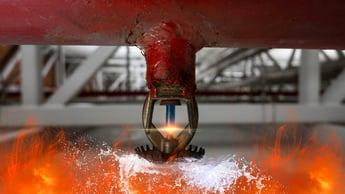
The best way to handle fire sprinkler repair is to act quickly, document the issue clearly, and work with a qualified fire sprinkler service provider that can identify the cause, complete the repair, and help confirm the system is ready for service again.
Fire sprinkler problems do not always arrive politely during business hours. A leaking pipe, damaged sprinkler head, frozen line, corrosion issue, pressure problem, or accidental activation can quickly turn into a safety concern, compliance issue, and operational headache. Not exactly the kind of multitasking anyone asked for.
At CertaSite, fire sprinkler repair is part of a broader fire protection service approach that helps businesses restore confidence, reduce downtime, and keep life safety systems ready when they matter most.
When Fire Sprinkler Repair Becomes Urgent
Some fire sprinkler issues can be scheduled as routine repairs. Others need immediate attention because they may affect system performance or create an active impairment.
A small leak may look manageable at first, but it can point to corrosion, pressure problems, damaged fittings, freezing, or worn components. A damaged sprinkler head may seem isolated, but if it activates or fails to operate properly during a fire, the consequences can be much bigger than the part itself.
Fire sprinkler repair becomes urgent when the system cannot perform as designed, water is actively leaking, pressure is abnormal, a valve or alarm is not functioning properly, or a portion of the system has been taken out of service.
NFPA’s guidance on sprinkler system impairments is a useful external resource for understanding why an out-of-service system needs a clear response plan. For a broader look at inspection requirements, maintenance expectations, and compliance documentation, CertaSite’s guide to fire sprinkler code requirements for commercial buildings can help explain what should be in place before repair issues become urgent.
The goal is not just to stop the immediate problem. It is to restore the system, document the work, and make sure everyone who needs to know is informed.
What Counts as Emergency Fire Sprinkler Service
Emergency fire sprinkler service may be needed when a system issue creates immediate risk to people, property, operations, or compliance.
Common situations that may require urgent repair include:
- Active sprinkler pipe leaks
- Accidental or false sprinkler activations
- Frozen or burst sprinkler piping
- Low or abnormal system pressure
- Damaged sprinkler heads
- Closed, broken, or leaking valves
- Fire department connection damage
- Waterflow alarm or supervisory signal issues
- Corrosion-related leaks
- Any condition that places the system out of service
Not every sprinkler issue is dramatic. Some are just quietly inconvenient until they aren’t. If a system is impaired, partially shut down, or unable to operate as intended, it should be treated seriously and addressed by a qualified fire sprinkler company.
For urgent service needs, businesses should contact their fire protection partner as soon as possible and follow any required notification procedures for the AHJ, monitoring provider, insurer, or internal safety team.
Why 24 Hour Fire Sprinkler Repair Matters
When a sprinkler problem affects system readiness, timing matters. A leak at 2 p.m. is annoying. A leak at 2 a.m. with part of the system out of service is a different kind of memorable.
Facilities that operate around the clock, store high-value inventory, house vulnerable populations, or manage complex operations need a plan for after-hours fire sprinkler problems. That does not always mean every issue can be permanently repaired immediately, but it does mean the response should be organized, documented, and focused on reducing risk until the system is restored.
Ask your fire sprinkler company how they handle urgent service requests, after-hours calls, system impairments, temporary repairs, replacement parts, documentation, and communication with the AHJ when needed.
A dependable repair partner should help you answer three questions quickly: what happened, what is affected, and what needs to happen next.
Corrosion Repair for Fire Sprinkler Systems
Corrosion is one of the most common reasons sprinkler systems need repair. It can affect sprinkler heads, piping, fittings, valves, and other water-based fire protection components.
Corrosion may show up as rust, pinhole leaks, discolored water, pipe scale, reduced flow, weakened fittings, or visible deterioration around sprinkler heads and piping. The problem is not only cosmetic. Corrosion can restrict water movement, weaken system components, and lead to leaks or failures if left unaddressed.
The NFSA’s introduction to corrosion in fire sprinkler systems is a helpful external reference for understanding why corrosion identification and mitigation matter.
Corrosion repair may involve replacing affected pipe, sprinkler heads, fittings, valves, or other components. In some cases, the repair process may also include further investigation to understand whether the visible leak is an isolated issue or part of a larger system condition.
The trick with corrosion is that what you see is not always the whole story. One leak may be the first clue, not the full plot.
Fire Sprinkler Freeze Damage Repair
Freeze damage is another repair issue that can move quickly from “we should look at that” to “why is there water everywhere?”
Sprinkler systems in unheated or poorly heated areas are vulnerable to freezing, especially in loading docks, attics, exterior walls, parking structures, vestibules, warehouses, and other spaces exposed to low temperatures. Even dry pipe systems can have freeze-related issues if trapped water, condensation, or low-point drainage problems are present.
Freeze damage may cause cracked fittings, burst piping, activated heads, valve problems, pressure changes, or hidden damage that is not immediately obvious. If freezing is suspected, the system should be evaluated by a qualified fire sprinkler service provider before it is treated as normal.
Possible repairs may include:
- Replacing damaged pipe or fittings
- Restoring pressure
- Checking valves and drains
- Reviewing heat exposure
- Identifying ways to reduce the chance of repeat freeze damage.
Cold weather has a way of finding the one section of pipe everyone forgot about. Sprinkler repair after freeze damage should fix the break and help you understand why it happened.
For more cold-weather preparation guidance, read Winterizing Your Fire Protection Systems.
False Activations and Accidental Sprinkler Discharge
A fire sprinkler system that activates without a fire can create immediate disruption, water damage, and a lot of very understandable questions.
False activations or accidental discharges may be caused by mechanical damage, freezing, overheating near a sprinkler head, corrosion, improper work near the system, vandalism, pressure issues, or component failure. Once the water is flowing, the priority is getting a qualified provider involved quickly, safety, and damage control.
After an accidental activation, the affected sprinkler head or component should be replaced or repaired, the system should be inspected, and any required testing should be completed before the system is considered ready for service again.
Documentation also matters. Your repair records may be needed for insurance, internal reporting, AHJ review, or future maintenance planning.
The sprinkler did its best impression of an emergency. Now the repair process needs to determine whether the system was damaged, triggered by an outside factor, or warning you about a deeper issue.
Pressure Issues in Fire Sprinkler Systems
Pressure problems can affect whether a fire sprinkler system delivers the right amount of water when it is needed. Low pressure, fluctuating pressure, unusual gauge readings, or pressure loss after testing can all point to system conditions that need attention.
Pressure issues may be related to closed or partially closed valves, leaks, obstruction, water supply changes, faulty gauges, fire pump issues, backflow device problems, or internal pipe conditions. OSHA’s automatic sprinkler system requirements include maintenance expectations such as annual main drain flow testing for systems covered by the standard.
A qualified technician can help determine whether the pressure issue is isolated to a component or tied to a larger water supply or system performance concern. That evaluation matters because a pressure issue is not just a number on a gauge. It’s a signal about whether the system can do the job it was designed to do.
What Should a Fire Sprinkler Repair Quote Include
A fire sprinkler repair quote should be clear enough that you understand the issue, the proposed fix, the urgency, and what is included before work begins.
A strong fire sprinkler repair quote should include:
- The problem being addressed: leak, corrosion, freeze damage, damaged head, pressure issue, valve problem, alarm issue, or other deficiency
- The affected system area: riser, branch line, sprinkler head, valve, fire department connection, backflow device, or other component
- Recommended repair scope: parts, labor, testing, draining, refilling, reset, restoration, and documentation
- Compliance considerations: whether the issue creates an impairment, requires AHJ coordination, or needs follow-up testing
- Timeline and access needs: when work can be completed, what areas must be accessible, and whether operations may be affected
- Documentation: repair report, photos, deficiency notes, and confirmation of completed work
- Exclusions or next steps: additional investigation, concealed damage, corrosion assessment, or optional preventive recommendations
A vague quote may seem faster in the moment, but it can create confusion later. No one wants a repair quote that reads like a riddle with a dollar sign at the bottom.
What Happens After a Fire Sprinkler Repair
After a repair, the system should be restored, documented, and verified according to the issue and applicable requirements.
Depending on the repair, this may include replacing damaged components, reopening valves, restoring pressure, testing affected devices, confirming alarm or supervisory signals, updating impairment status, documenting repairs, and communicating with the appropriate parties.
The NFSA’s NFPA 25 recordkeeping guidance is a helpful reference for understanding why inspection, testing, and maintenance records matter.
Repair documentation should clearly show what was wrong, what was repaired, who performed the work, when the work was completed, and whether additional action is needed. This is especially important if the repair followed an impairment, accidental activation, freeze event, corrosion issue, or failed inspection.
Fire sprinkler repair is not really complete until the system is back in service and the documentation can prove it.
For more context on deficiency documentation and follow-up, read What is a Deficiency Everything You Need to Know.
How to Reduce Future Fire Sprinkler Repair Issues
Some fire sprinkler repairs are unavoidable. Others are the result of missed maintenance, delayed deficiency correction, environmental exposure, or incomplete documentation.
A proactive fire sprinkler service program helps identify small issues before they become emergency repairs. Regular inspections can catch corrosion, leaks, damaged heads, pressure changes, closed valves, missing signage, and fire department connection problems before they create larger risks.
Facilities can reduce repair issues by keeping inspection schedules current, correcting deficiencies promptly, protecting sprinkler heads from impact, maintaining proper heat in vulnerable areas, draining low points where required, and keeping repair documentation organized.
This is also where connected services matter. Fire sprinklers often work alongside fire alarms, fire pumps, backflow devices, monitoring, and other life safety systems. Managing them together creates fewer gaps and fewer surprises.
How CertaSite Helps Restore Confidence After Sprinkler Problems
At CertaSite, fire sprinkler repair is about more than fixing a pipe, valve, or sprinkler head. It’s about helping restore confidence in the system.
Our team supports fire sprinkler service, inspection, maintenance, repair coordination, deficiency documentation, and broader life safety services that help commercial facilities stay prepared. Whether the issue is corrosion, freeze damage, pressure trouble, an accidental activation, or an urgent repair need, CertaSite helps simplify the next step.
That means clearer communication, better documentation, and a more coordinated approach to your fire protection program. And if you’re comparing providers or wondering what strong service support should look like, CertaSite’s 5 Questions You Should Ask a Fire Protection Company is a helpful guide.
Because when a sprinkler problem shows up, the answer should not be “Who handles this again?”
Common Questions About Fire Sprinkler Repair and Emergency Service
Do fire sprinkler companies offer 24 hour emergency repair
Some fire sprinkler companies offer emergency or after-hours service, while availability may vary by market and service agreement. Businesses should ask their provider how urgent sprinkler repairs, impairments, leaks, and accidental activations are handled outside normal business hours.
What should I do if my fire sprinkler system is leaking
If a sprinkler system is leaking, protect people first, limit water damage if safe to do so, contact a qualified fire sprinkler company, and document the issue. Do not assume the system is safe or fully operational until it has been evaluated.
Can corrosion in a fire sprinkler system be repaired
Yes. Corrosion repair may involve replacing affected pipe, fittings, sprinkler heads, valves, or other components. In some cases, further investigation may be needed to determine whether the visible corrosion is isolated or part of a larger system issue.
What causes fire sprinkler freeze damage
Freeze damage can happen when sprinkler piping or trapped water is exposed to low temperatures. Unheated areas, poor insulation, low-point drainage issues, and condensation in dry or pre-action systems can all contribute to freeze-related problems.
Why would a fire sprinkler activate when there is no fire
Accidental sprinkler activation may be caused by mechanical damage, freezing, overheating near the sprinkler head, corrosion, pressure issues, improper work near the system, vandalism, or component failure.
What causes low pressure in a fire sprinkler system
Low pressure may be related to closed or partially closed valves, leaks, obstruction, faulty gauges, water supply issues, fire pump issues, or backflow device problems. A qualified technician can help identify the cause.
What should a fire sprinkler repair quote include
A repair quote should include the problem, affected system area, repair scope, parts and labor, testing needs, compliance considerations, timeline, documentation, and any exclusions or recommended follow-up work.
If your repair issue started with a failed inspection, Why Your Fire System Failed Its Inspection can help explain common causes.
Move Forward With Confidence
Fire sprinkler repair is rarely convenient. But with the right partner, it can be clear, documented, and handled with less disruption.
CertaSite helps businesses respond to sprinkler problems, restore system readiness, and manage life safety with more confidence. From leaks and corrosion to freeze damage, false activations, pressure issues, and repair documentation, we help you move from “something is wrong” to “we know what happens next.”
If you need fire sprinkler repair or want to discuss emergency service options, reach out to us here.